







Historic - Reference




Secret English King of England


Powered By Sispro1

Copyright © All Rights Reserved by Nigel G Wilcox · · E-Mail: ngwilcox100@gmail.com
3. Menu

Pages
Complimentary Topics
Designed by Nigel G Wilcox
The Paragon Of Metal Detecting
& Archaeology
& Archaeology
Pages























Member NCMD
Reference Menu

The First King Who Was Forgotten By History
Courtesy: StarInsider, msn.com 27.02.26
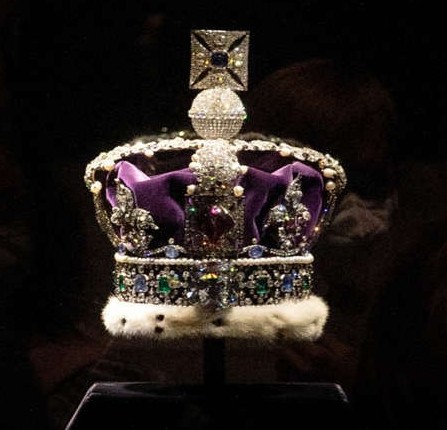
More than 11 centuries ago, a young ruler named Æthelstan rose to the throne of a fractured land and forged a new nation which would come to be known as England.
During his lifetime, his fame as a formidable king stretched across Europe, yet today, he has become a ghost in the English story, overshadowed by Alfred the Great and the monarchs that followed.
So, who was the first king of England, and why has he been forgotten?
A Broken Kingdom
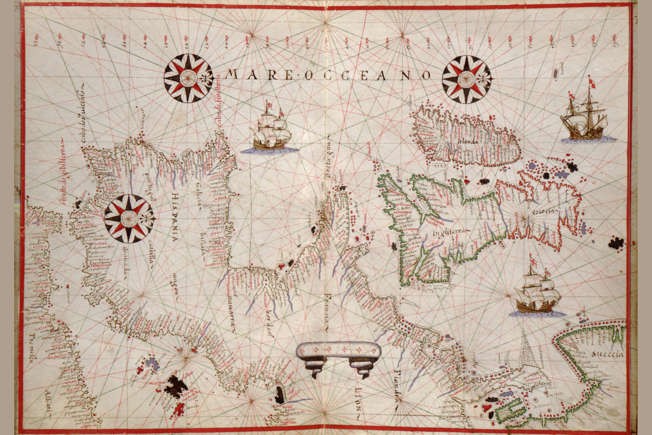
In the late 9th century, England was not a single nation but a patchwork of rival realms. Wessex, Mercia, East Anglia, and Northumbria each had their own kings, and Viking invasions had split the Anglo-Saxons in the south from the Norse in the north.
During his lifetime, his fame as a formidable king stretched across Europe, yet today, he has become a ghost in the English story, overshadowed by Alfred the Great and the monarchs that followed.
So, who was the first king of England, and why has he been forgotten?
A Broken Kingdom
In the late 9th century, England was not a single nation but a patchwork of rival realms. Wessex, Mercia, East Anglia, and Northumbria each had their own kings, and Viking invasions had split the Anglo-Saxons in the south from the Norse in the north.
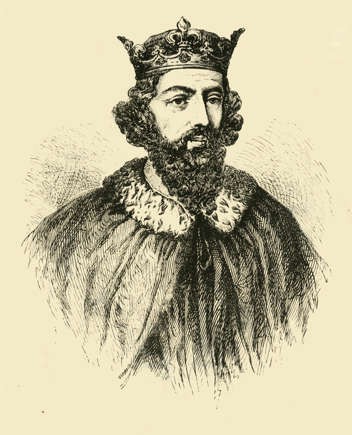
The Viking Insvasion
The Viking Great Army swept across Britain in the 9th century and toppled ancient kingdoms. Yet under King Alfred the Great’s control, Wessex survived, and his son, King Edward the Elder, continued to rule over it when he died in 899.
The Viking Great Army swept across Britain in the 9th century and toppled ancient kingdoms. Yet under King Alfred the Great’s control, Wessex survived, and his son, King Edward the Elder, continued to rule over it when he died in 899.
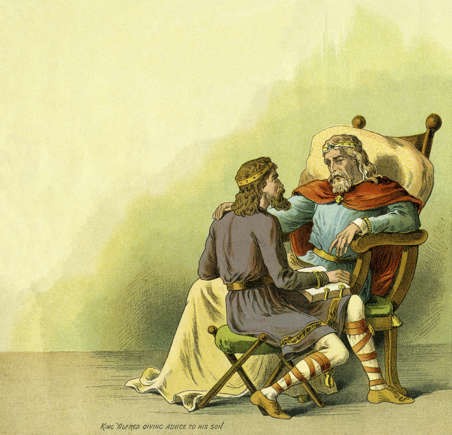
The Great’s Grandson
King Edward the Elder had 14 children altogether, and when he died, the question of who would take over began to divide the nation. However, due to the sudden death of his half-brother, Elder’s son Æthelstan became the heir.
King Edward the Elder had 14 children altogether, and when he died, the question of who would take over began to divide the nation. However, due to the sudden death of his half-brother, Elder’s son Æthelstan became the heir.
©Getty Images
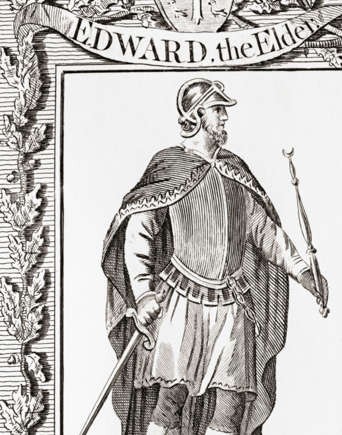
King of the Anglo-Saxons
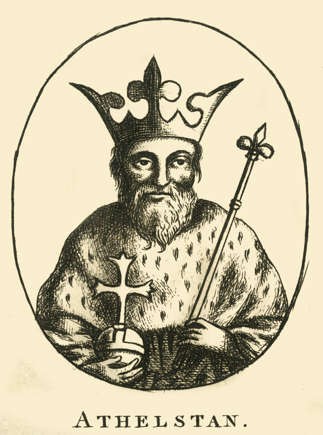
Æthelstan (which in modern English is spelt and pronounced Athelstan) was born around 894. He succeeded his father in 925 and was crowned by the Archbishop of Canterbury as the “King of the Anglo-Saxons.”
Historic Coronation
His coronation took place at Kingston upon Thames, and the ceremony established many of the rituals that are still observed by the English monarchy today. He was anointed with holy oil, given oaths to uphold, and presented with the royal insignia.
Wearing the first crown
The new king inherited a kingdom still fragile from decades of war. So, Æthelstan made a deliberate show of royal magnificence and was the first English monarch to wear a crown as a symbol of unity and power.
Forging Alliances
Æthelstan also began forging alliances through marriage and religion. In 926, Æthelstan arranged for his sister to marry Sihtric, the Viking king of Northumbria. The political move was designed to secure peace. However, within a year, Sihtric was dead.
A United Kingdom
So, Æthelstan took the opportunity to take York and its territories under his control. This made him the first ruler to command all English lands from the Channel to the Scottish border, and finally, his dream of a united England had become a reality.
Æthelstan (which in modern English is spelt and pronounced Athelstan) was born around 894. He succeeded his father in 925 and was crowned by the Archbishop of Canterbury as the “King of the Anglo-Saxons.”
Historic Coronation
His coronation took place at Kingston upon Thames, and the ceremony established many of the rituals that are still observed by the English monarchy today. He was anointed with holy oil, given oaths to uphold, and presented with the royal insignia.
Wearing the first crown
The new king inherited a kingdom still fragile from decades of war. So, Æthelstan made a deliberate show of royal magnificence and was the first English monarch to wear a crown as a symbol of unity and power.
Forging Alliances
Æthelstan also began forging alliances through marriage and religion. In 926, Æthelstan arranged for his sister to marry Sihtric, the Viking king of Northumbria. The political move was designed to secure peace. However, within a year, Sihtric was dead.
A United Kingdom
So, Æthelstan took the opportunity to take York and its territories under his control. This made him the first ruler to command all English lands from the Channel to the Scottish border, and finally, his dream of a united England had become a reality.
Cementing His Status
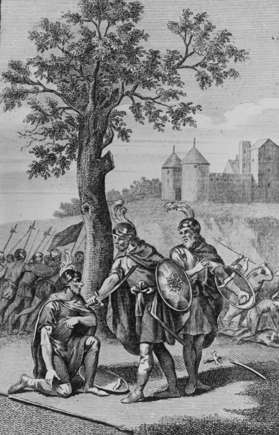
To cement his new status, Æthelstan convened an unprecedented meeting at Eamont Bridge in 927. He gathered the kings of Scotland, Strathclyde, and Wales and made them swear oaths of loyalty to him.
To cement his new status, Æthelstan convened an unprecedented meeting at Eamont Bridge in 927. He gathered the kings of Scotland, Strathclyde, and Wales and made them swear oaths of loyalty to him.
King of the English
The whole of Britain now acknowledged Æthelstan’s supremacy, and for the first time since the Romans, one monarch ruled over the island. As a result, Æthelstan was the first monarch to be known as the “King of the English” instead of the “King of the Anglo-Saxons.”
The whole of Britain now acknowledged Æthelstan’s supremacy, and for the first time since the Romans, one monarch ruled over the island. As a result, Æthelstan was the first monarch to be known as the “King of the English” instead of the “King of the Anglo-Saxons.”
Governing His Nation
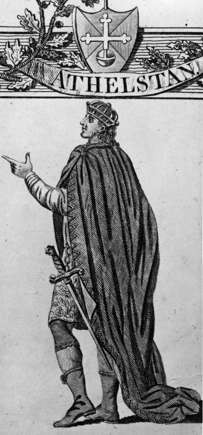
As King of the English, Æthelstan reorganized shires, standardized laws, and introduced new systems of justice. He issued detailed decrees on theft, inheritance, and public order, and gave England a stability that was rare in early medieval Europe.
New Coinage
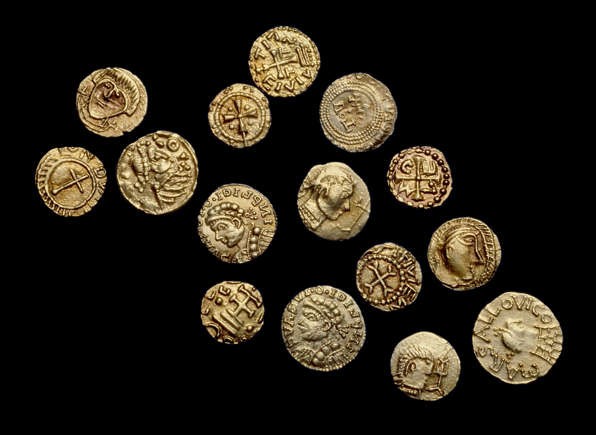
Æthelstan also standardized coinage across his domains, and for the first time made coins bearing his own image and the word “REX” (which is Latin for “King”). The new currency helped ensure that trade and taxation all flowed through royal control, and it is a practice that is still upheld today.
As King of the English, Æthelstan reorganized shires, standardized laws, and introduced new systems of justice. He issued detailed decrees on theft, inheritance, and public order, and gave England a stability that was rare in early medieval Europe.
New Coinage
Æthelstan also standardized coinage across his domains, and for the first time made coins bearing his own image and the word “REX” (which is Latin for “King”). The new currency helped ensure that trade and taxation all flowed through royal control, and it is a practice that is still upheld today.
Courts and Councils
Æthelstan’s councils (known as witan) included representatives from across his realm, uniting men of different dialects and customs under one legal code. His royal court was also made up of a collection of scholars, clerics, and poets from across England and Europe.
Æthelstan’s councils (known as witan) included representatives from across his realm, uniting men of different dialects and customs under one legal code. His royal court was also made up of a collection of scholars, clerics, and poets from across England and Europe.
A well-connected King
Few early medieval monarchs were as internationally connected as Æthelstan. He married his sisters into the royal houses of France, Germany, and Burgundy. Through these alliances, Æthelstan positioned his kingdom at the heart of European Christendom.
Few early medieval monarchs were as internationally connected as Æthelstan. He married his sisters into the royal houses of France, Germany, and Burgundy. Through these alliances, Æthelstan positioned his kingdom at the heart of European Christendom.
Continued...
©Getty Images
©Getty Images
©Getty Images
©Getty Images
©Getty Images
©Getty Images
©Getty Images
©Getty Images
©Getty Images