







Historic - Reference




Secret English King of England


Powered By Sispro1

Copyright © All Rights Reserved by Nigel G Wilcox · · E-Mail: ngwilcox100@gmail.com
3. Menu

Pages
Complimentary Topics
Designed by Nigel G Wilcox
The Paragon Of Metal Detecting
& Archaeology
& Archaeology
Pages























Member NCMD
Reference Menu

The First King Who Was Forgotten By History
Courtesy: StarInsider, msn.com 27.02.26 - Sources: (BBC) (Telegraph)
End...
©Getty Images
©Getty Images
Faith and Leadership
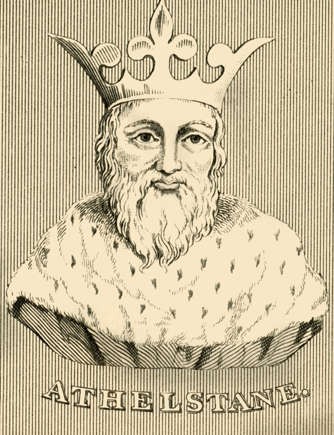
Æthelstan entwined faith with leadership and sponsored the translation of holy texts, endowed monasteries, and sent missionaries abroad. He granted vast lands to the Church, reformed the clergy, and founded religious houses across England.
The Cult of Saints
He was a king devoted to God and justice. He also promoted the cult of saints, particularly St. Cuthbert, whom he revered deeply. In fact, a portrait of Æthelstan bowing before the saint remains the oldest known image of an English king.
Plotting a Rebellion
Despite his achievements, not all were content under his rule. The kings of Scotland and Strathclyde were uneasy with English dominance. So, they found allies among Norse rulers in Ireland and began plotting rebellion.
Æthelstan entwined faith with leadership and sponsored the translation of holy texts, endowed monasteries, and sent missionaries abroad. He granted vast lands to the Church, reformed the clergy, and founded religious houses across England.
The Cult of Saints
He was a king devoted to God and justice. He also promoted the cult of saints, particularly St. Cuthbert, whom he revered deeply. In fact, a portrait of Æthelstan bowing before the saint remains the oldest known image of an English king.
Plotting a Rebellion
Despite his achievements, not all were content under his rule. The kings of Scotland and Strathclyde were uneasy with English dominance. So, they found allies among Norse rulers in Ireland and began plotting rebellion.
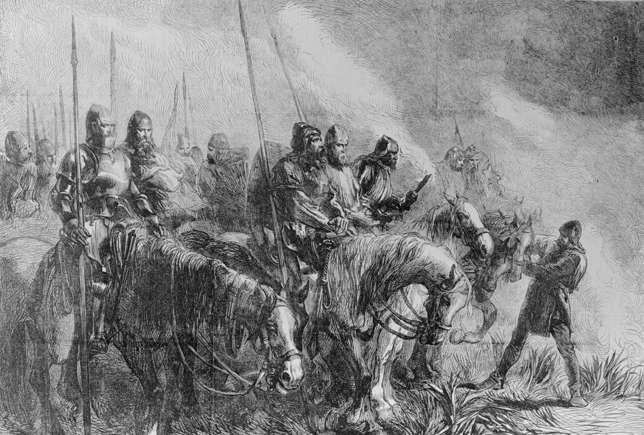
The Battle of Brunanburh
Momentum grew, and in 937 the two sides went head-to-head in a colossal clash that has since become known as the Battle of Brunanburh. The exact location is still debated, but its outcome was clear.
The Great English Battle
Æthelstan was joined by his half-brother Edmund, and their army crushed the allied forces in what has since been described as one of the greatest battles in English history. As a result, Æthelstan became the undisputed ruler of England.
A Haunted K
However, the triumph came at a cost. Thousands perished, including several rival kings, and Æthelstan was said to have been haunted by the scale of the slaughter. So, his focus shifted from war to governance, and Æthelstan refined the laws of the realm.
Momentum grew, and in 937 the two sides went head-to-head in a colossal clash that has since become known as the Battle of Brunanburh. The exact location is still debated, but its outcome was clear.
The Great English Battle
Æthelstan was joined by his half-brother Edmund, and their army crushed the allied forces in what has since been described as one of the greatest battles in English history. As a result, Æthelstan became the undisputed ruler of England.
A Haunted K
However, the triumph came at a cost. Thousands perished, including several rival kings, and Æthelstan was said to have been haunted by the scale of the slaughter. So, his focus shifted from war to governance, and Æthelstan refined the laws of the realm.
A Moral Leader
He sought to curb corruption, regulate trade, and ensure fair justice. His legislation addressed social issues like slavery and debt, and one of his decrees declared, “No one shall pervert justice,” and “The king’s peace shall protect rich and poor alike.”
The Birth of England
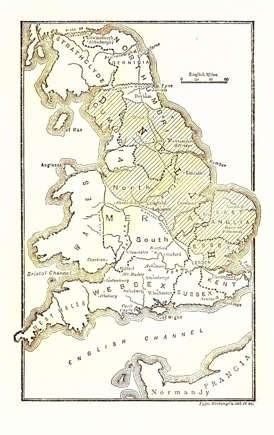
Æthelstan drew lords for his assembly from every corner of Britain and forged a sense of belonging under one king. By the 930s, the term “English” became a political identity for the first time, and historians now see this as the true birth of England, both as a state and as an idea.
He sought to curb corruption, regulate trade, and ensure fair justice. His legislation addressed social issues like slavery and debt, and one of his decrees declared, “No one shall pervert justice,” and “The king’s peace shall protect rich and poor alike.”
The Birth of England
Æthelstan drew lords for his assembly from every corner of Britain and forged a sense of belonging under one king. By the 930s, the term “English” became a political identity for the first time, and historians now see this as the true birth of England, both as a state and as an idea.
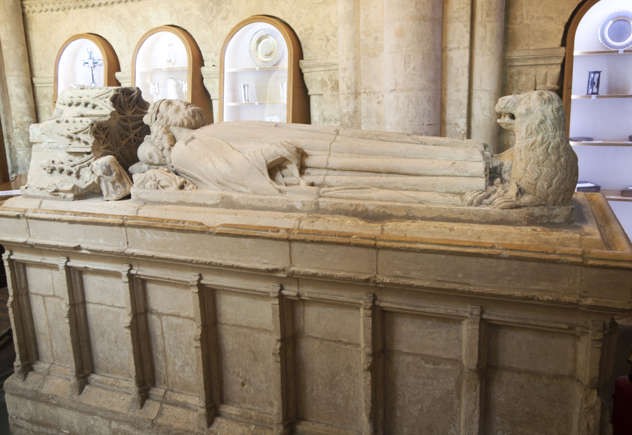
The Death of a King
Æthelstan died in 939 at Gloucester, aged about 45, and his body was taken to Malmesbury Abbey. However, he left no wife or legitimate heir, and so the crown was passed to his half-brother Edmund.
Æthelstan died in 939 at Gloucester, aged about 45, and his body was taken to Malmesbury Abbey. However, he left no wife or legitimate heir, and so the crown was passed to his half-brother Edmund.
The Breaking of a Kingdom
However, King Edmund “Ironside” faced immediate rebellion in the north. Northumbria broke away under Viking control soon after Æthelstan’s death, and Æthelstan’s great kingdom fractured within months.
His Legacy Lived On
Yet, Æthelstan’s administrative and cultural foundations proved resilient. Within a generation, Edmund and his successors were able to reconquer the north and restore the realm by using the foundations that Æthelstan had put into place.
However, King Edmund “Ironside” faced immediate rebellion in the north. Northumbria broke away under Viking control soon after Æthelstan’s death, and Æthelstan’s great kingdom fractured within months.
His Legacy Lived On
Yet, Æthelstan’s administrative and cultural foundations proved resilient. Within a generation, Edmund and his successors were able to reconquer the north and restore the realm by using the foundations that Æthelstan had put into place.
©Getty Images
©Getty Images
©Getty Images
The Forgotten Founder
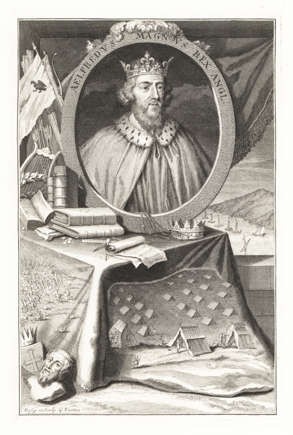
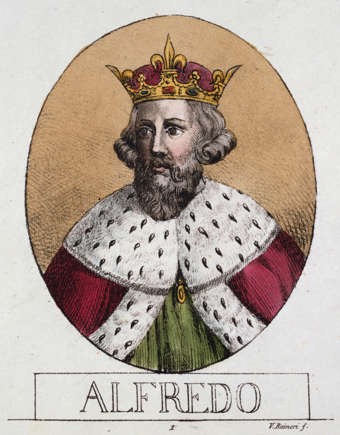
Æthelstan's methods have since become an enduring model. However, despite his monumental achievements, his memory has been eclipsed in history by the story of his grandfather, Alfred the Great.
Not Great Enough
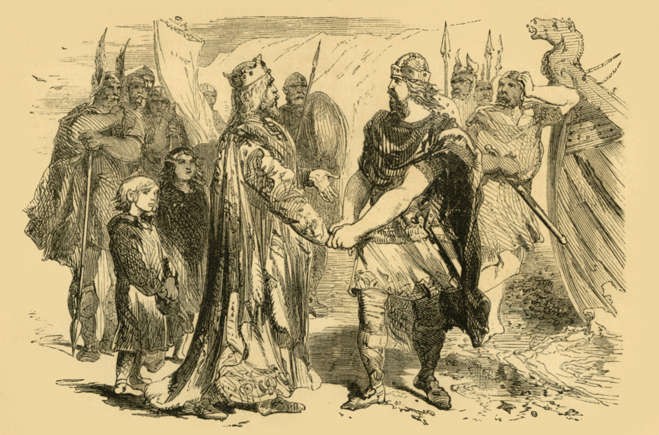
Unlike Æthelstan, Alfred had a chronicler called Asser who ensured that he was remembered as "The Great." As a result, his story as defender of the faith and slayer of Vikings has become romanticized, while Æthelstan’s has been forgotten.
Æthelstan's methods have since become an enduring model. However, despite his monumental achievements, his memory has been eclipsed in history by the story of his grandfather, Alfred the Great.
Not Great Enough
Unlike Æthelstan, Alfred had a chronicler called Asser who ensured that he was remembered as "The Great." As a result, his story as defender of the faith and slayer of Vikings has become romanticized, while Æthelstan’s has been forgotten.
Myths and Misinterpretations
Beyond forgetting the king who brought the country together, myths have prevailed through history about "Anglo-Saxon England." It is often reimagined as an era of racial and cultural purity, which is far removed from Æthelstan’s reality.
Correcting History
Historians are now working to correct these misconceptions, and the 1,100th anniversary of Æthelstan’s coronation in 2025 has sparked a renaissance in interest. So, finally, after 11 centuries of neglect, Æthelstan is being recognized as the first true king of England.
Beyond forgetting the king who brought the country together, myths have prevailed through history about "Anglo-Saxon England." It is often reimagined as an era of racial and cultural purity, which is far removed from Æthelstan’s reality.
Correcting History
Historians are now working to correct these misconceptions, and the 1,100th anniversary of Æthelstan’s coronation in 2025 has sparked a renaissance in interest. So, finally, after 11 centuries of neglect, Æthelstan is being recognized as the first true king of England.
©Getty Images
©Getty Images
©Getty Images
©Getty Images