






Copyright © 2012 by Nigel G Wilcox · All Rights reserved · E-Mail: ngwilcox@gmx.co.uk

The Royal Monarchy - England & Europe








Powered By Sispro1
Monarchy MENU
Copyright © All Rights Reserved by Nigel G Wilcox · · E-Mail: ngwilcox100@gmail.com

Designed by Nigel G Wilcox
The Paragon Of Metal Detecting
& Archaeology
& Archaeology
5. Menu

Pages























Member NCMD
How Dirty Were Royal Palaces In The Past?
Royal Monarchy Hygiene Habits Throughout The World
©Getty Images
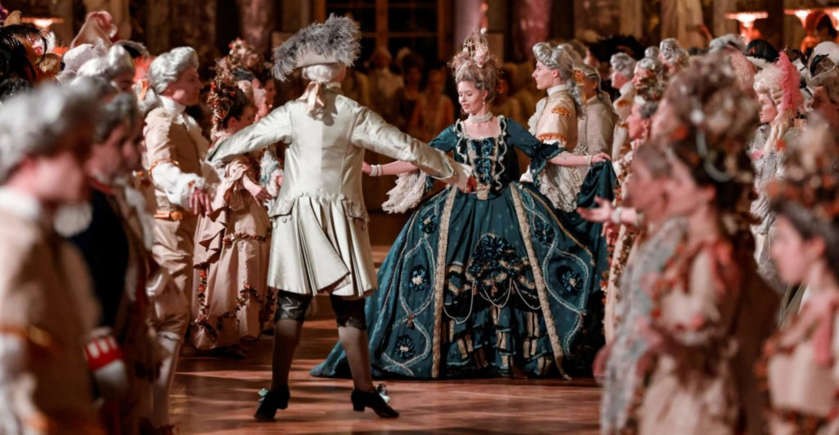
When we think of the royal dynasties in European history, we think of kings and queens with absolute power ruling over vast empires, living in unchecked luxury. Many of the palaces they built are still some of the most impressive architectural wonders in existence. From the French Palace of Versailles to London’s Kensington Palace, tourists walk the halls and marvel at the beauty and grandeur of these royal homes.
However, these restored palaces leave out a few key details. When they were first built and actually hosted royal courts, they were worse than pigsties! Visitors of the Louvre Palace today are spared the harsh realities of centuries gone by: ungodly smells, rat infestations, and piles of human feces littering the floor. Click through the gallery to find out what it was really like to live in a royal palace of the past.
However, these restored palaces leave out a few key details. When they were first built and actually hosted royal courts, they were worse than pigsties! Visitors of the Louvre Palace today are spared the harsh realities of centuries gone by: ungodly smells, rat infestations, and piles of human feces littering the floor. Click through the gallery to find out what it was really like to live in a royal palace of the past.
What the history books don't tell you!
Plumbing - What Plumbing?
©Getty Images
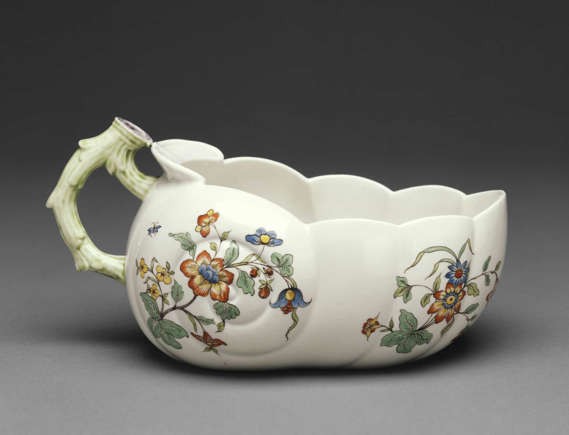
In the past, the lack of plumbing posed a significant problem for royal palaces. Flushable toilets and running water were absent, and instead, chamber pots were placed throughout the premises and regularly cleared by the servants. Collected waste was subsequently stored in vast underground chambers, which required eventual emptying.
Gong Farmers
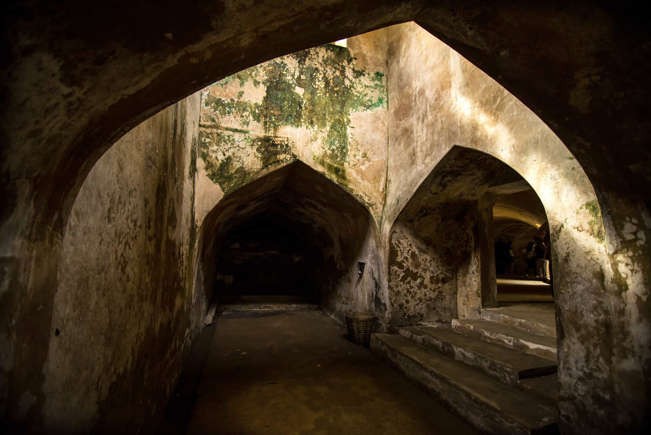
The unfortunates tasked with this job were known as "gong farmers" or "gong scourers." Their work was comparably arduous to cleaning horse stables, albeit on a significantly larger scale. According to a historical account, after four weeks of serving the court, these chambers would be filled up beyond head height.
The unfortunates tasked with this job were known as "gong farmers" or "gong scourers." Their work was comparably arduous to cleaning horse stables, albeit on a significantly larger scale. According to a historical account, after four weeks of serving the court, these chambers would be filled up beyond head height.
©Shutterstock
The unfortunates tasked with this job were known as "gong farmers" or "gong scourers." Their work was comparably arduous to cleaning horse stables, albeit on a significantly larger scale. According to a historical account, after four weeks of serving the court, these chambers would be filled up beyond head height.
©Getty Images
©Getty Images
Liberal bathroom policies
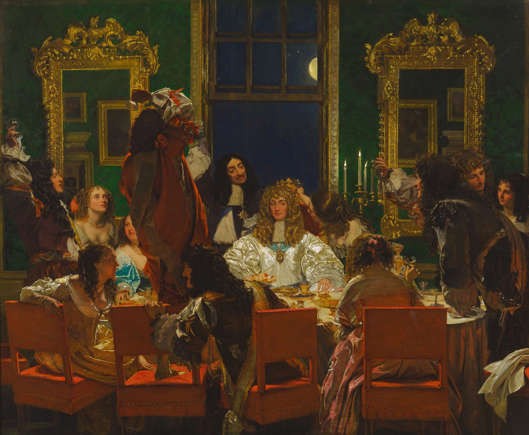
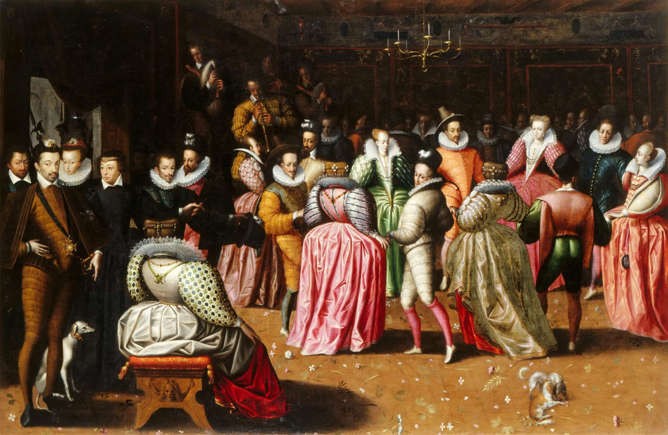
Sadly, many courtiers wouldn't even make the effort to locate a chamber pot. Sometimes, they simply dropped their britches wherever they found a moment of privacy, like in a hallway, on a staircase, or in a fireplace, and relieved themselves directly onto the floor.
Sadly, many courtiers wouldn't even make the effort to locate a chamber pot. Sometimes, they simply dropped their britches wherever they found a moment of privacy, like in a hallway, on a staircase, or in a fireplace, and relieved themselves directly onto the floor.
©Getty Images
A damning review of the Louvre
A visitor at the magnificent Louvre Palace in Paris in 1675 gave this account of the situation: “on the grand staircases” and “behind the doors and almost everywhere one sees there a mass of excrement, one smells a thousand unbearable stenches caused by calls of nature which everyone goes to do there every day.”
A visitor at the magnificent Louvre Palace in Paris in 1675 gave this account of the situation: “on the grand staircases” and “behind the doors and almost everywhere one sees there a mass of excrement, one smells a thousand unbearable stenches caused by calls of nature which everyone goes to do there every day.”

©Getty Images
Henry VIII (1491-1547)
King Henry VIII's court was larger than most, leading to more mess. Unlike other European royals, he prioritized cleanliness. Unfortunately, he was fighting a losing battle.
The Royal Court
King Henry VIII's court was larger than most, leading to more mess. Unlike other European royals, he prioritized cleanliness. Unfortunately, he was fighting a losing battle.
The Royal Court
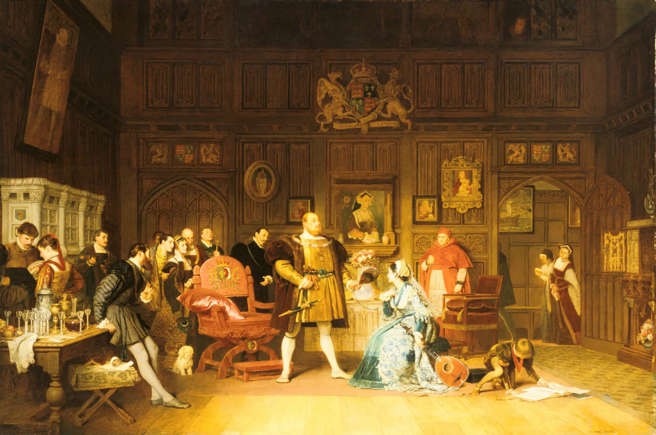
Henry VIII and his court comprised nearly one thousand individuals, a considerable number of unclean bodies congregating in one palace simultaneously. This was especially noteworthy, given the absence of running water and plumbing systems.
©Getty Images
Palace Hopping
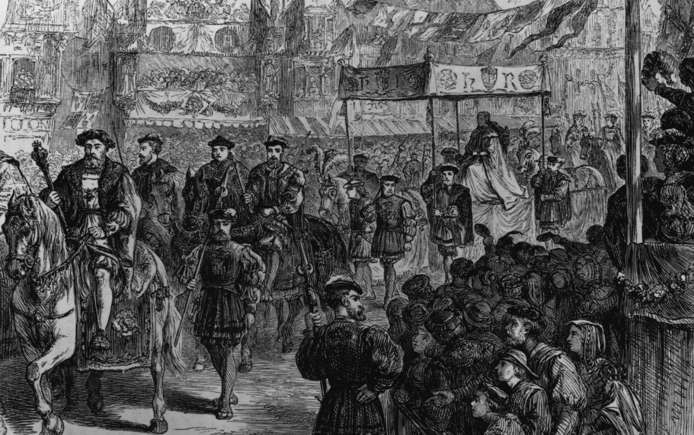
Henry VIII primarily resided in Hampton Court Palace in London, yet he frequently traveled between his 60 opulent properties across the nation with his entourage. Termed as "royal tours," these expeditions were hailed for instilling loyalty among his subjects, but their true purpose was to provide respite from the filth they had created and give ample time for the palace staff to clean it up.
Henry VIII primarily resided in Hampton Court Palace in London, yet he frequently traveled between his 60 opulent properties across the nation with his entourage. Termed as "royal tours," these expeditions were hailed for instilling loyalty among his subjects, but their true purpose was to provide respite from the filth they had created and give ample time for the palace staff to clean it up.
©Getty Images
The Aftermath
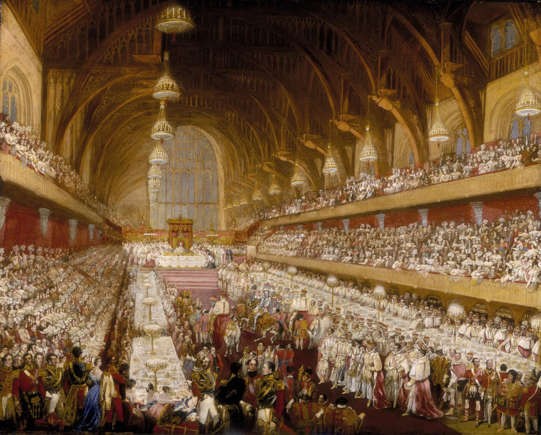
During royal events, it was common to encounter significant chaos, including piles of human waste that needed to be removed. As a solution, the king and court would temporarily vacate the premises and transfer to a new palace, allowing for the restoration of the surrounding farmland and livestock that had been depleted due to extravagant feasting.
During royal events, it was common to encounter significant chaos, including piles of human waste that needed to be removed. As a solution, the king and court would temporarily vacate the premises and transfer to a new palace, allowing for the restoration of the surrounding farmland and livestock that had been depleted due to extravagant feasting.
©Getty Images
Unbearable Smells
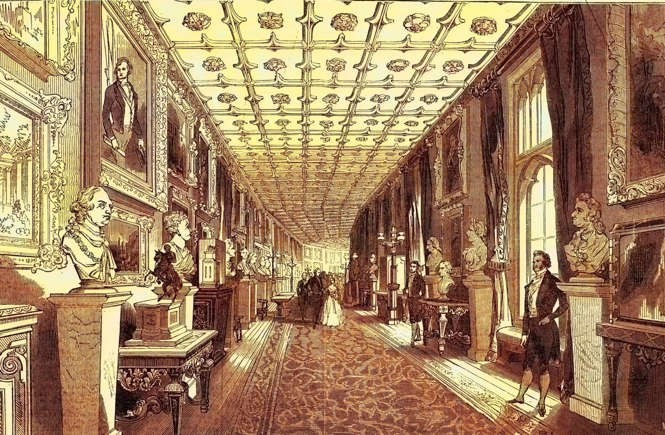
According to historical sources, it is noted that a foul odor would begin to develop shortly after the court's arrival at a new palace. This unpleasant smell can be attributed to the accumulation of food waste on the floor, animal excrement, inadequate personal hygiene of the inhabitants, and the increasing quantities of human waste stored in underground chambers.
According to historical sources, it is noted that a foul odor would begin to develop shortly after the court's arrival at a new palace. This unpleasant smell can be attributed to the accumulation of food waste on the floor, animal excrement, inadequate personal hygiene of the inhabitants, and the increasing quantities of human waste stored in underground chambers.
©Getty Images
Soot and Filth
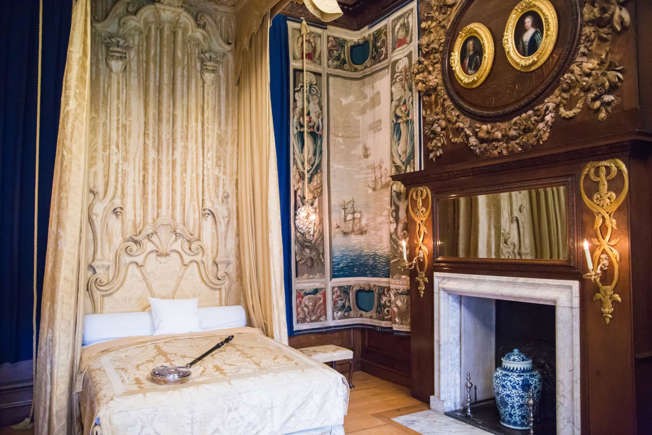
Rooms and hallways would also be filled with soot and stains due to the frequent fires lit for heating the palace. The large number of people in Henry's court made it impossible for the palace staff to clean efficiently until they departed. It is widely believed that the royal palaces were much dirtier than a typical individual's humble cabin during that era.
Rooms and hallways would also be filled with soot and stains due to the frequent fires lit for heating the palace. The large number of people in Henry's court made it impossible for the palace staff to clean efficiently until they departed. It is widely believed that the royal palaces were much dirtier than a typical individual's humble cabin during that era.
©Shutterstock
Henry the Health Inspector
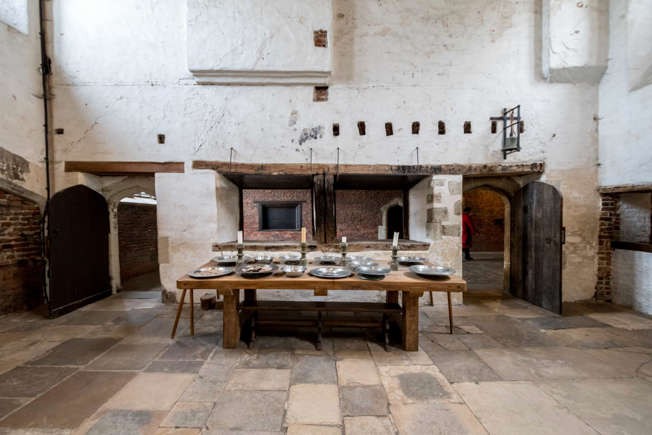
It is said that Henry VIII provided clear instructions to his kitchen staff. He prohibited working naked or in disgustingly dirty clothes, as they had previously done. Additionally, he ordered them to cease the practice of sleeping in the kitchen. You'd think that would all go without saying...
It is said that Henry VIII provided clear instructions to his kitchen staff. He prohibited working naked or in disgustingly dirty clothes, as they had previously done. Additionally, he ordered them to cease the practice of sleeping in the kitchen. You'd think that would all go without saying...
Discarded Dishes
Courtiers were instructed not to dispose of dirty dishes in hallways after meals, yet they disregarded these orders. To his outrage, the ruler occasionally discovered dishes abandoned on his bed.
Courtiers were instructed not to dispose of dirty dishes in hallways after meals, yet they disregarded these orders. To his outrage, the ruler occasionally discovered dishes abandoned on his bed.
©Shutterstock
Courtiers were instructed not to dispose of dirty dishes in hallways after meals, yet they disregarded these orders. To his outrage, the ruler occasionally discovered dishes abandoned on his bed.
©Shutterstock
A very Expensive Napkin
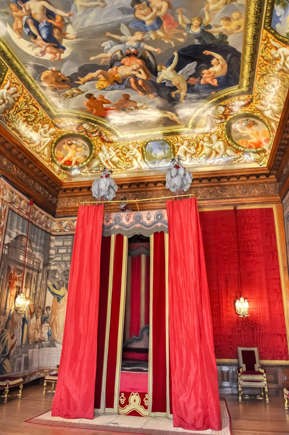
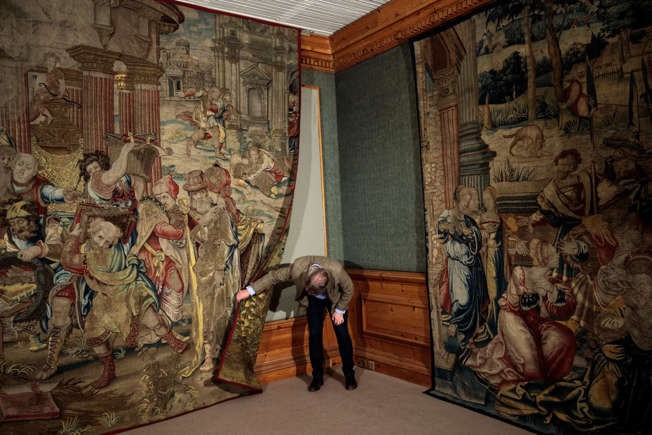
Alongside leaving their excrement on the floor, it seems that visitors at the court resorted to using the precious tapestries adorning the walls as a means to clean their hands. To address this issue, Henry was compelled to issue a warning, stating that those who committed such acts “might be hurted” for their crimes.
Alongside leaving their excrement on the floor, it seems that visitors at the court resorted to using the precious tapestries adorning the walls as a means to clean their hands. To address this issue, Henry was compelled to issue a warning, stating that those who committed such acts “might be hurted” for their crimes.
Pest control
To safeguard against the palaces' pervasive pests during his slumber, Henry would sleep surrounded by thick animal furs.
To safeguard against the palaces' pervasive pests during his slumber, Henry would sleep surrounded by thick animal furs.
©Getty Images
Charles II (1630-1685)
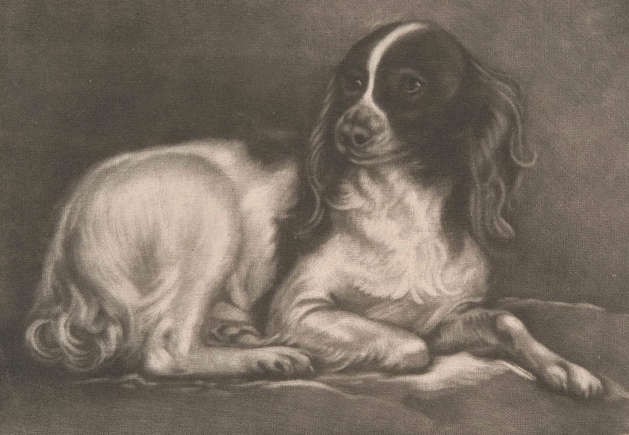
British royals have always been renowned for their love for animals. King Charles II, in particular, gained fame for his affection towards his cherished spaniels, which were eventually named Cavalier King Charles Spaniels. His bedroom would often accommodate several flea-infested dogs resting peacefully each night.
British royals have always been renowned for their love for animals. King Charles II, in particular, gained fame for his affection towards his cherished spaniels, which were eventually named Cavalier King Charles Spaniels. His bedroom would often accommodate several flea-infested dogs resting peacefully each night.
Dog Bed
According to a 17th-century historian, this caused the bed chambers to become “very offensive and indeed made the whole Court nasty and stinking.”
Smelly distractions
Royal palaces, unable to achieve true cleanliness, opted to conceal the unpleasant odor instead. They adorned palaces with fragrant plants and flowers while courtiers used perfumes and scented sachets to mask their personal stench as they went about their duties.
According to a 17th-century historian, this caused the bed chambers to become “very offensive and indeed made the whole Court nasty and stinking.”
Smelly distractions
Royal palaces, unable to achieve true cleanliness, opted to conceal the unpleasant odor instead. They adorned palaces with fragrant plants and flowers while courtiers used perfumes and scented sachets to mask their personal stench as they went about their duties.
©Getty Images
Catherine II (1729-1796)
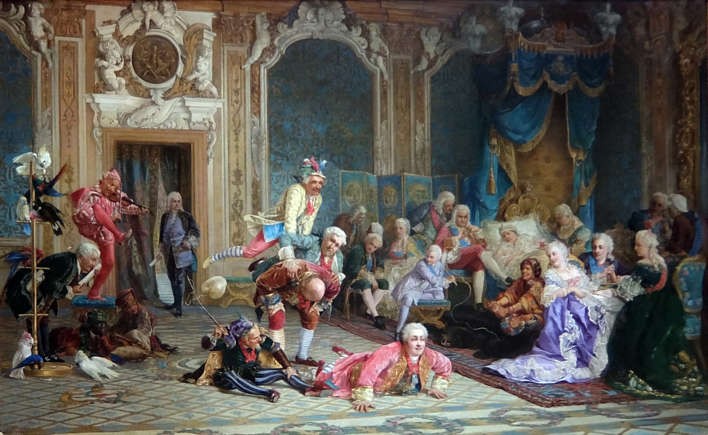
Catherine the Great, the renowned empress of Russia, hailed from Germany. She relocated to Russia during her teenage years for her union with Peter III. She was astounded by the dirtiness of the Russian palace in contrast to her native German abode, which, while still unclean, appeared significantly cleaner in comparison.
Rags and riches
She recorded some of the strange things she observed upon her arrival in Russia. “It’s not rare to see coming from an immense courtyard full of mire and filth that belongs to a hovel of rotten wood, a lady covered in jewels and superbly dressed, in a magnificent carriage, pulled by six old nags, and with badly combed valets.” The juxtaposition of luxury and squalor was shocking to the future empress.
Catherine the Great, the renowned empress of Russia, hailed from Germany. She relocated to Russia during her teenage years for her union with Peter III. She was astounded by the dirtiness of the Russian palace in contrast to her native German abode, which, while still unclean, appeared significantly cleaner in comparison.
Rags and riches
She recorded some of the strange things she observed upon her arrival in Russia. “It’s not rare to see coming from an immense courtyard full of mire and filth that belongs to a hovel of rotten wood, a lady covered in jewels and superbly dressed, in a magnificent carriage, pulled by six old nags, and with badly combed valets.” The juxtaposition of luxury and squalor was shocking to the future empress.
©Getty Images
Continued...