






Copyright © 2012 by Nigel G Wilcox · All Rights reserved · E-Mail: ngwilcox@gmx.co.uk









Powered By Sispro1
Monarchy MENU
Copyright © All Rights Reserved by Nigel G Wilcox · · E-Mail: ngwilcox100@gmail.com

Designed by Nigel G Wilcox
The Paragon Of Metal Detecting
& Archaeology
& Archaeology
5. Menu

Pages























Member NCMD
How Dirty Were Royal Palaces In The Past?
Royal Monarchy Hygiene Habits Throughout The World
©Getty Images
What the history books don't tell you!
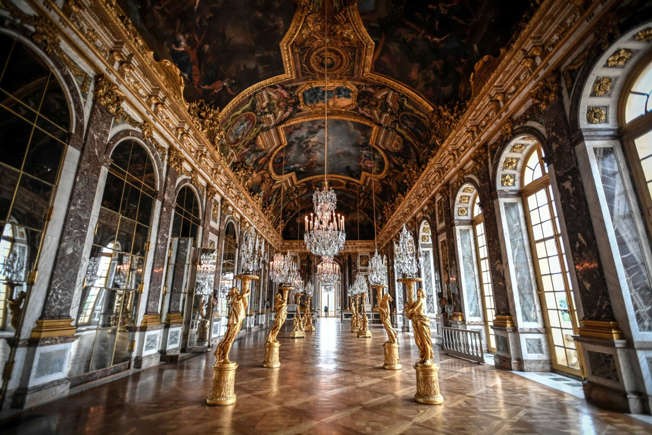
Palace of Versailles
The Palace of Versailles is now a symbol of opulence and splendor, attracting millions of visitors annually. Nonetheless, if tourists were to visit during Marie Antoinette's time, they might faint due to the unpleasant odor permeating the halls.
The Palace of Versailles is now a symbol of opulence and splendor, attracting millions of visitors annually. Nonetheless, if tourists were to visit during Marie Antoinette's time, they might faint due to the unpleasant odor permeating the halls.
©Getty Images
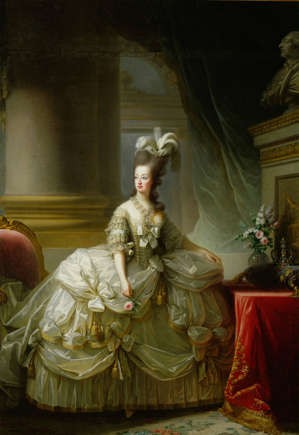
Marie Antoinette (1755-1793)
Cleanliness was not a top priority at the French royal court, just like the other palaces of Europe. Women would elevate their skirts to relieve themselves wherever they pleased, while chamber pots were carelessly discarded out of windows. In fact, Marie Antoinette herself was once hit by human waste that was thrown from a window while she was walking in the courtyard.
Palace leaks
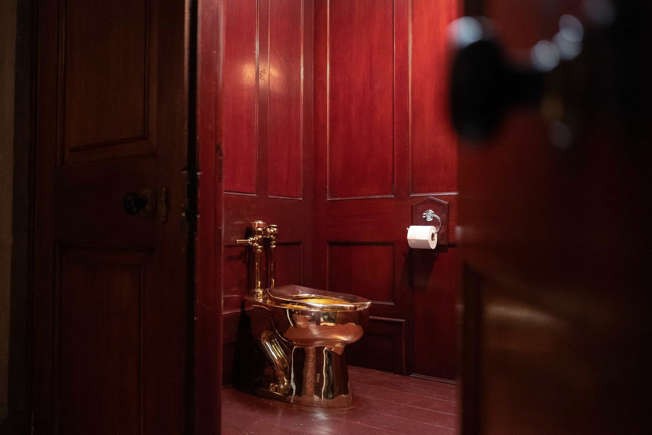
Latrines were present in the palace, however, they were poorly maintained and heavily utilized resulting in leakage into the bedrooms below. The corrosion of pipes compounded the issue, leading to widespread problems throughout the palace. Historian Tony Spawforth highlights the severity of the situation, noting that the leaked waste would occasionally contaminate Marie Antoinette's kitchen and even posed a threat to the safety of the royal children's rooms.
Cleanliness was not a top priority at the French royal court, just like the other palaces of Europe. Women would elevate their skirts to relieve themselves wherever they pleased, while chamber pots were carelessly discarded out of windows. In fact, Marie Antoinette herself was once hit by human waste that was thrown from a window while she was walking in the courtyard.
Palace leaks
Latrines were present in the palace, however, they were poorly maintained and heavily utilized resulting in leakage into the bedrooms below. The corrosion of pipes compounded the issue, leading to widespread problems throughout the palace. Historian Tony Spawforth highlights the severity of the situation, noting that the leaked waste would occasionally contaminate Marie Antoinette's kitchen and even posed a threat to the safety of the royal children's rooms.

Louis XIV (1638-1715)
©Public Domain
A few generations ago, King Louis XIV established a rule stating that the halls of Versailles should be cleaned once a week to remove feces and dirt. At that time, this may have seemed excessive, although it appears rather modest by today's standards.
Constant Residence
The reason for this "excellent" level of cleanliness could be attributed to Louis XIV's departure from tradition by choosing to permanently reside with his court in the Palace of Versailles. As a result, the palace was never granted any breaks for a thorough cleaning. At any given moment, there could be up to 10,000 inhabitants living in Versailles.
©Public Domain
A few generations ago, King Louis XIV established a rule stating that the halls of Versailles should be cleaned once a week to remove feces and dirt. At that time, this may have seemed excessive, although it appears rather modest by today's standards.
Constant Residence
The reason for this "excellent" level of cleanliness could be attributed to Louis XIV's departure from tradition by choosing to permanently reside with his court in the Palace of Versailles. As a result, the palace was never granted any breaks for a thorough cleaning. At any given moment, there could be up to 10,000 inhabitants living in Versailles.
©Public Domain
Health and Cleanliness
During the Middle Ages, it was commonly advised in Western Europe to minimize bathing. This belief stemmed from the notion that excessive cleansing of the skin would leave the pores vulnerable to toxins and disease, following numerous catastrophic plagues. Consequently, people were encouraged to limit their bathing as much as possible, in adherence to the prevailing medical advice.
During the Middle Ages, it was commonly advised in Western Europe to minimize bathing. This belief stemmed from the notion that excessive cleansing of the skin would leave the pores vulnerable to toxins and disease, following numerous catastrophic plagues. Consequently, people were encouraged to limit their bathing as much as possible, in adherence to the prevailing medical advice.

The Plague
Ironically, the bubonic plague was spread by fleas that resided on rats. The prevalence of rats was directly correlated to the poor hygiene practices during that period.
Ironically, the bubonic plague was spread by fleas that resided on rats. The prevalence of rats was directly correlated to the poor hygiene practices during that period.
©iStock
Monarch's Routine
King Henry VIII was among the rare monarchs who chose to bathe regularly, going against medical advice. Marie Antoinette supposedly took a bath once a month, and there are rumors that Louis XIV only bathed two times in his entire lifetime.
King Henry VIII was among the rare monarchs who chose to bathe regularly, going against medical advice. Marie Antoinette supposedly took a bath once a month, and there are rumors that Louis XIV only bathed two times in his entire lifetime.
James I (1566-1625)
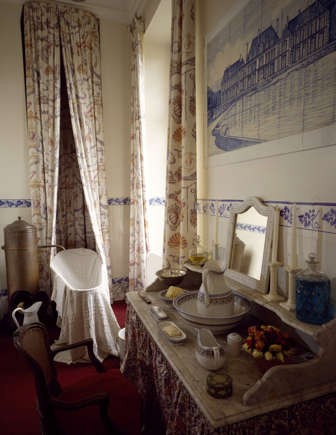
According to historical accounts, King James I of England, allegedly, refrained from bathing completely. As a consequence, the rooms he frequented reportedly became infested with lice due to his constant presence.
Gilded Squalor
The exact number of royals and noblemen who perished due to the appalling living conditions of their palaces remains uncertain. Progress in infrastructure and knowledge about hygiene and disease only occurred in the 19th century, finally lifting Europe out of the Middle Ages.
Sources: (History) (HistoryExtra)
Gilded Squalor
The exact number of royals and noblemen who perished due to the appalling living conditions of their palaces remains uncertain. Progress in infrastructure and knowledge about hygiene and disease only occurred in the 19th century, finally lifting Europe out of the Middle Ages.
Sources: (History) (HistoryExtra)

©Getty Images
©Getty Images
©Getty Images
Story Courtesy: by Stars Insider 10.03.26
Summary: How Dirty Were Royal Palaces in the Past?
Essential Takeaway
- Despite their splendour, many royal palaces were deeply unsanitary places, and the true scale of illness and death caused by poor hygiene remains unknown.
Key Points
- Palaces Were Gilded But Filthy.
- Beneath the luxury, living conditions were often unhygienic and hazardous.
Deaths Linked to Poor Sanitation are Unclear.
- Records don’t reveal how many royals or nobles died from palace-related disease, but historians believe the number was significant.
Europe Lagged in Hygiene Progress.
- Major improvements in sanitation, infrastructure, and understanding of disease didn’t arrive until the 19th century, effectively ending medieval standards of cleanliness.
The Contrast Was Stark.
- Outward grandeur masked the reality of waste, pests, and inadequate ventilation.
The Royal Monarchy - England & Europe