Menu
Front
Back
Shelf
© Copyright Reserved - United Kingdom
Ideal Screen Composition 1024 x 768
Non-Fiction
Chapter Two
Medieval Hierarchies & Administrative Power
Part 1 - The Re-Consolidation of Authority After
Antiquity
Section I - Historical Evolution of Institutional Authority
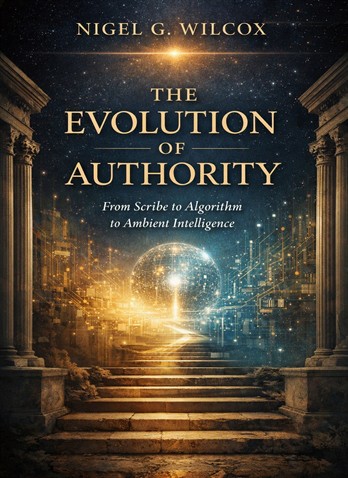
The Evolution Of Authority
The medieval period is often romanticised as an age of knights, castles, and chivalry. In reality, it was an age defined by administrative continuity and institutional reinvention. The ancient world had built the blueprint; the medieval world fortified it.
The Vacuum After Empire
When the Western Roman Empire collapsed in the 5th century, Europe did not fall into chaos — it fell into administrative fragmentation. The imperial bureaucracy, once sprawling and centralised, splintered into regional authorities. But the logic of institutional power remained intact.
Local rulers inherited:
• tax systems
• land registries
• legal traditions
• administrative offices
• military obligations
The empire died, but its institutional skeleton survived.
This is the first principle of medieval authority: Institutions outlive empires.
The medieval world was built on the ruins of Rome’s administrative genius.
The collapse of the ancient empires did not dismantle institutional power; it redistributed it. When Rome fell, when dynasties fractured, when trade routes shifted, the machinery of authority did not disappear — it migrated. It found new hosts, new structures, new justifications. The medieval world did not invent hierarchy; it inherited it. But it did refine hierarchy into a system so pervasive, so culturally embedded, that it shaped the trajectory of Western governance for nearly a thousand years.