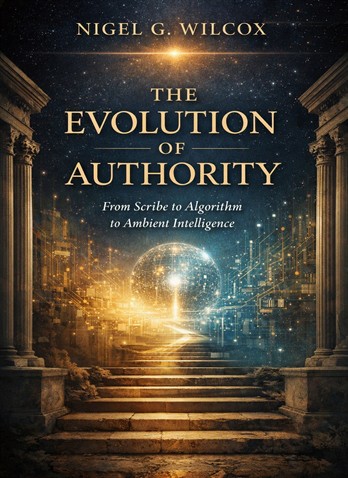
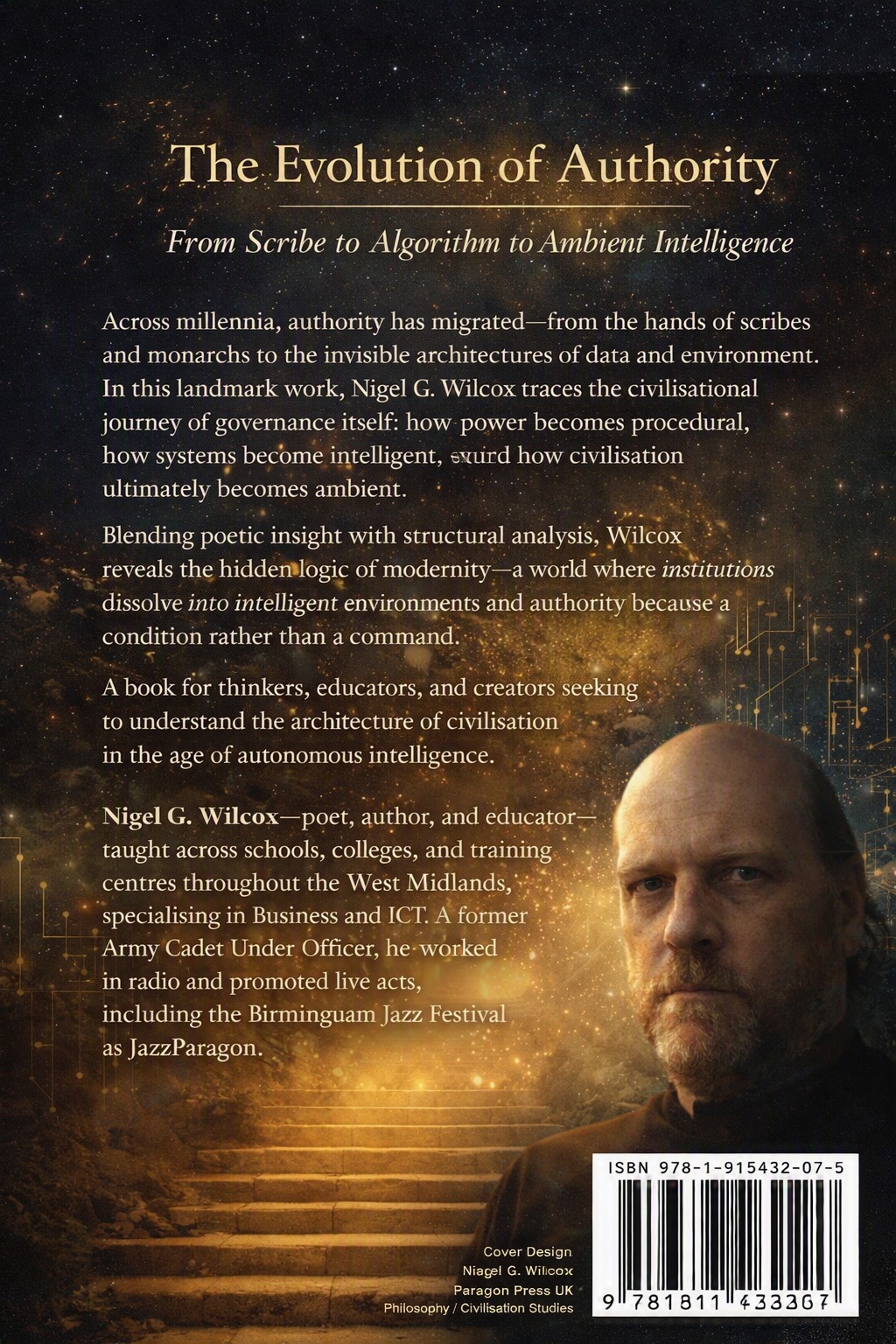
Non-Ficction Shelf
http://paragon.myvnc.com
Menu
Front
Back
Shelf
© Copyright Reserved - United Kingdom
Ideal Screen Composition 1024 x 768
Non-Fiction
 
The Institutionalisation of Memory
Before writing, memory was communal. Stories, laws, and customs were  
transmitted orally, shared across generations, and collectively owned. But  
writing changed everything. It allowed institutions to capture memory,  
freeze it, and control it.

A written record is not neutral. It reflects the priorities of those who create it.  
When scribes recorded harvest yields, they were not documenting reality;  
they were defining obligations. When priests recorded rituals, they were not  
preserving culture; they were enforcing conformity. When rulers recorded  
laws, they were not clarifying justice; they were asserting authority.
Writing allowed institutions to:
define history
standardise belief
regulate behaviour
legitimise hierarchy
This was the moment when memory ceased to be communal and became  
institutional.
The institution became the author of reality.

The Rise of Administrative Classes
As institutions grew, they required specialists. These specialists formed the first administrative classes — individuals whose status came not from wealth or birth, but from their proximity to institutional power.

In Mesopotamia, scribes were trained for years, mastering complex scripts and numerical systems. Their knowledge made them indispensable. They could calculate taxes, record contracts, and interpret laws. They became the backbone of the state.

In Egypt, scribes were revered. Their training was rigorous, their status elevated, and their influence immense. They were the invisible machinery behind the pharaoh’s divine authority.

In China, bureaucrats became the most powerful class in society. Their loyalty was not to the people, but to the institution. They served the state, and the state rewarded them with status, security, and influence.

These administrative classes formed the first institutional elite — individuals whose power came not from personal strength, but from structural necessity.

They were the ancestors of modern bureaucrats, regulators, analysts, and technocrats.